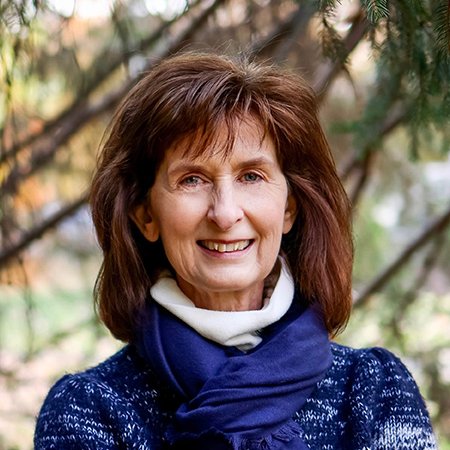
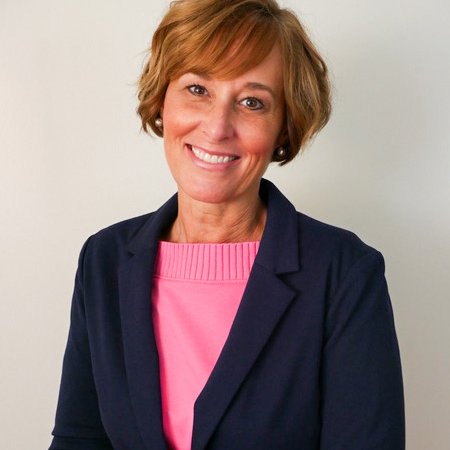
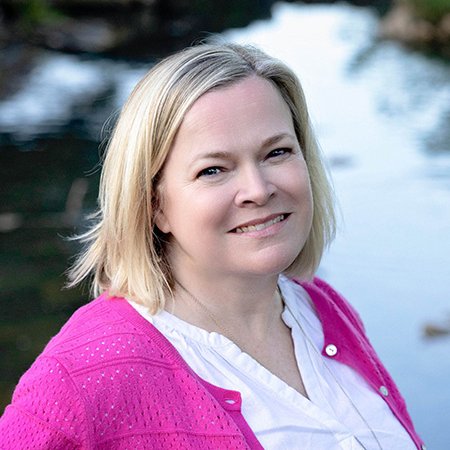
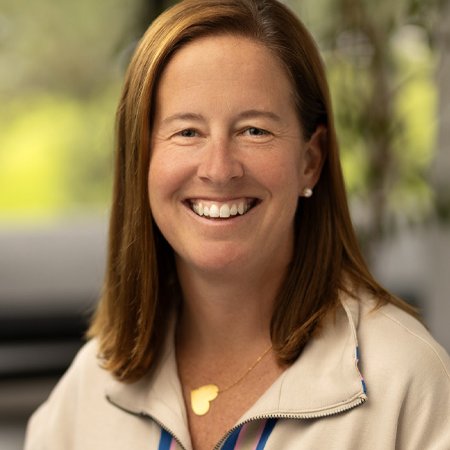
We started this because we had watched it go wrong.
Founded in 2017 by Kevin and Theresa Finlay: an occupational therapist by training and a physical therapist by practice, who had seen both sides of the same problem up close.
9 years, 4 markets, 1 idea.
Two students at Saint Louis University
Theresa earns her Bachelor of Physical Therapy from SLU and meets Kevin. He graduates from the same university in 1997 with a degree in Occupational Therapy, and uses it to move into healthcare more broadly rather than to practice OT. She was raised in Northern Kentucky, just outside Cincinnati. They would go on to raise 6 boys.
22 years learning exactly what does not work
Theresa spends her career treating older adults, increasingly in their homes. Kevin spends more than 20 years in healthcare leadership. Both watch volume-driven models squeeze out the part of care that actually helps — Theresa lives it directly: weekends, evenings, and holidays; full days where the schedule made good work impossible; and good clinicians quietly leaving the profession well inside 10 years.
Smart Rehab starts as a side project
The idea is narrow: outpatient-quality therapy, delivered in the home, one hour at a time, by a licensed clinician. No homebound requirement, because the benefit never required one. It grows into a full-time practice faster than either of them planned.
4 markets, family owned, still answering the phone
St. Louis, St. Charles, Northern Kentucky, and Cincinnati — all accepting patients, all growing our network of therapists. No board sets a growth target, and the practice is still therapist run.
Therapists and patients were complaining about the same thing.
Theresa spent 22 years in physical therapy before Smart Rehab existed, most of it with older adults in their homes. Kevin spent 20 years in healthcare leadership watching the economics push the wrong way. And the complaints they kept hearing from both sides were the same complaint: therapists stretched thin and disconnected from the people they were trying to help, older adults saying the care felt rushed, impersonal, and hard to get to. One problem, described from two different chairs.
Practicing the way you were trained and being paid properly for it were never supposed to be opposites. The whole company is an attempt to prove that. Everything else is logistics.
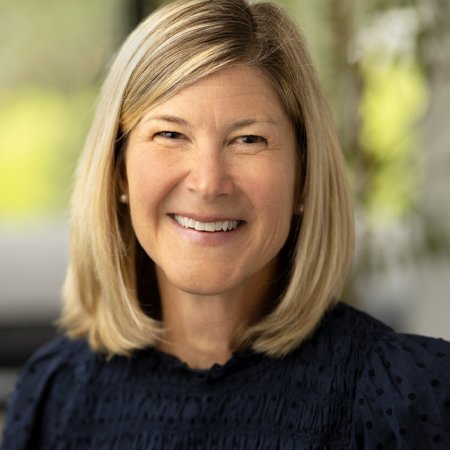 Theresa Finlay, PT · Co-founder
The other half was personal in a different way. Both of them have watched people they love get older, and both saw the same pattern each time. A fall or an illness, then a little less walking, then a room of the house nobody used anymore. Most of that was treatable. Very little of it got treated in time, and the thing standing in the way was usually as ordinary as getting to a clinic once or twice a week.
The years at the end of someone's life are not a fixed amount of decline to be waited out. How much of that time a person actually gets to enjoy, and how much of their own house they can still use, depends a great deal on whether anyone did the work early enough. That is the whole reason this practice exists, and it is why they treat it as their life's work rather than a company they happen to own.
The therapist half of it was personal in the way you would expect. People choose this field to be on their feet, to have freedom in their day, and to help someone and watch it work. Home health at a big organization meant weekends, evenings, and holidays, and the PRN jobs were no better. Almost nobody quits this job because they stopped caring about patients. They quit because of everything piled around the care.
Kevin took on the other half: cut the admin back far enough that a therapist can just treat patients — a 60-minute visit should not take longer to document than to do, sometimes 150 checkboxes. Protect the hour and the clinician can practice the way they were trained. Pay per visit, handle the administration, settle up weekly, and the economics work for them rather than around them. It is not a complicated idea. It was just not available.
The people who hire the people who show up at your door.

Kevin and Theresa raised 6 boys: Patrick, Andrew, Matthew, Nicholas, John, and Thomas. As the boys have grown and moved out, the two of them have put that time into this. Smart Rehab is not a business they run on the side. It is what they have decided to do with the rest of their working life.
They built it after watching it go the other way inside their own family. Someone gets older, the care they get is rushed and hard to reach, and the years that should have been good ones are spent losing ground instead. Neither of them was willing to accept that as normal, for their own people or for anybody else's.
Nobody here is working against a number that has nothing to do with the patient in front of them. The company grows when the work is good, which is slower, and is the entire point.
It comes down to who ends up standing in your kitchen. Every therapist here was chosen by two people who treat this as their life's work, who believe this is the right way to look after someone at the end of their life, and who answer for that choice themselves.
Founders, clinical market directors, and the coordinator who answers the phone.
Founders, clinical directors, and coordinators. These are the names on the other end of the phone when you call about a referral, a schedule, or a contract.
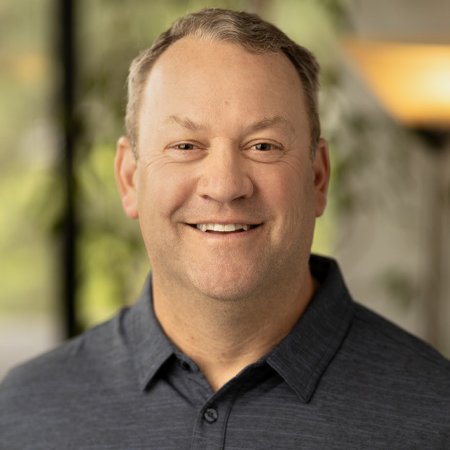
Kevin Finlay
Co-founder and president. Kevin holds a degree in Occupational Therapy from Saint Louis University and spent over 20 years in pharmaceutical sales leadership. He is focused on connecting experienced therapists who want to deliver real care with the older adults who benefit most from it.
Theresa Finlay, PT
Co-founder, and a physical therapist with more than 25 years of experience, 22 of them in practice before Smart Rehab existed. Theresa earned her Bachelor of Physical Therapy from Saint Louis University in 1995. She lived the burnout this company was built to fix, and she is the reason the model protects the hour.
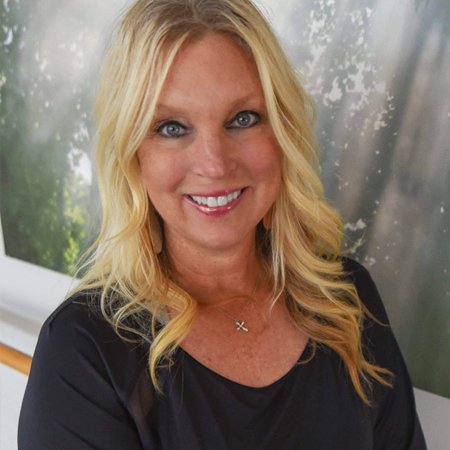
Jill Vonderhaar Nader, PT
Over 25 years as a physical therapist and movement specialist. A Northern Kentucky native, Jill spent much of her career at The Christ Hospital in Cincinnati, including its Performing Arts Program, with advanced training in manual therapy, Integrative Dry Needling, and Pilates.
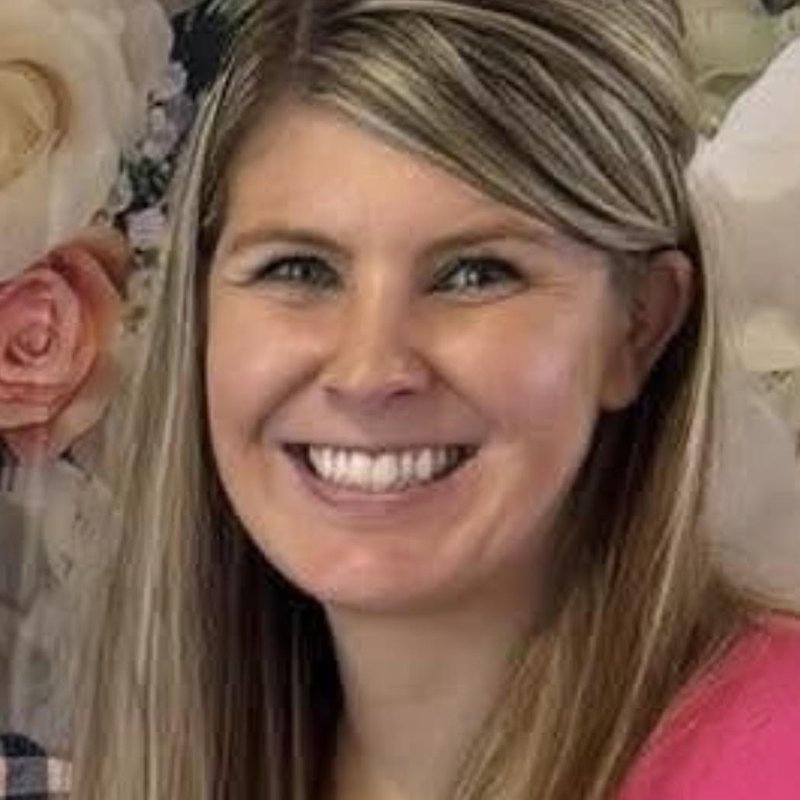
Tracie McNair, PT, DPT
A Doctor of Physical Therapy from the University of Missouri, with an MBA in Healthcare Administration from Maryville. Tracie has spent her career with Medicare and medically complex patients across home health, senior living, and outpatient care, and brings Pilates-based movement into her practice.
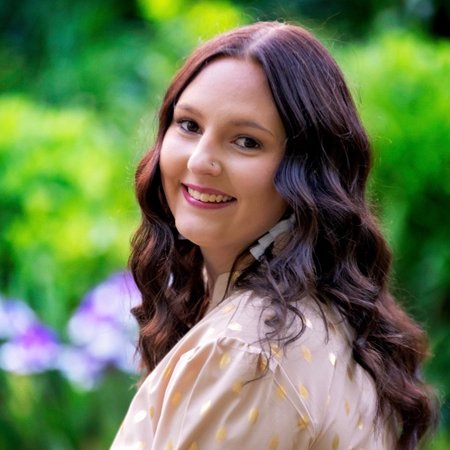
Chloe Guyott
Chloe connects therapists and patients and keeps scheduling moving. A St. Louis native, she holds an Associate of Applied Science in Health Information Technology and brings experience in medical records, billing, and scheduling.
Good people hire good people.
Between them, the 4 therapists below have well over a century of practice. Each of them could work anywhere, and each of them chose this. That is the part of a family business that actually reaches a patient: not who owns it, but who it manages to attract.